From Snaking to Hydro Jetting: The Most Effective Drain Cleaning Techniques Explained
Drain clogs are a typical residential concern, often leading to frustration and inconvenience. Different cleaning techniques, such as snaking and hydro jetting, deliver fixes suited to different types of blockages. Each technique presents distinct advantages and limitations. Comprehending these choices can help homeowners make informed choices. Yet, the question remains: which method is best suited for your particular circumstances? Exploring the intricacies of each approach uncovers valuable knowledge about successful drain care.
Common Causes of Clogged Drains and How to Identify Them
Drain blockages usually originate from multiple identifiable sources. Hair, soap, and grease accumulation stands as a leading cause, which may create substantial obstructions gradually. Food particles and cooking oil commonly cause kitchen sink blockages which become solid and cling to pipe surfaces. Bathroom drains may experience slow flow or total clogs from debris such as toothpaste and hair.
Another common cause is tree roots invading sewer lines, which can disrupt water flow and create serious complications. Seasonal shifts may also be a factor, as debris from fallen leaves can clog outdoor drains. Furthermore, incorrect disposal of items such as wipes and paper towels can cause substantial obstructions. Recognizing these causes early can help avoid severe plumbing issues. Regular maintenance and awareness of what goes down the drain can aid in mitigating potential clogs before they turn into more complex problems.
Employing the Snaking Method for Clogged Drains
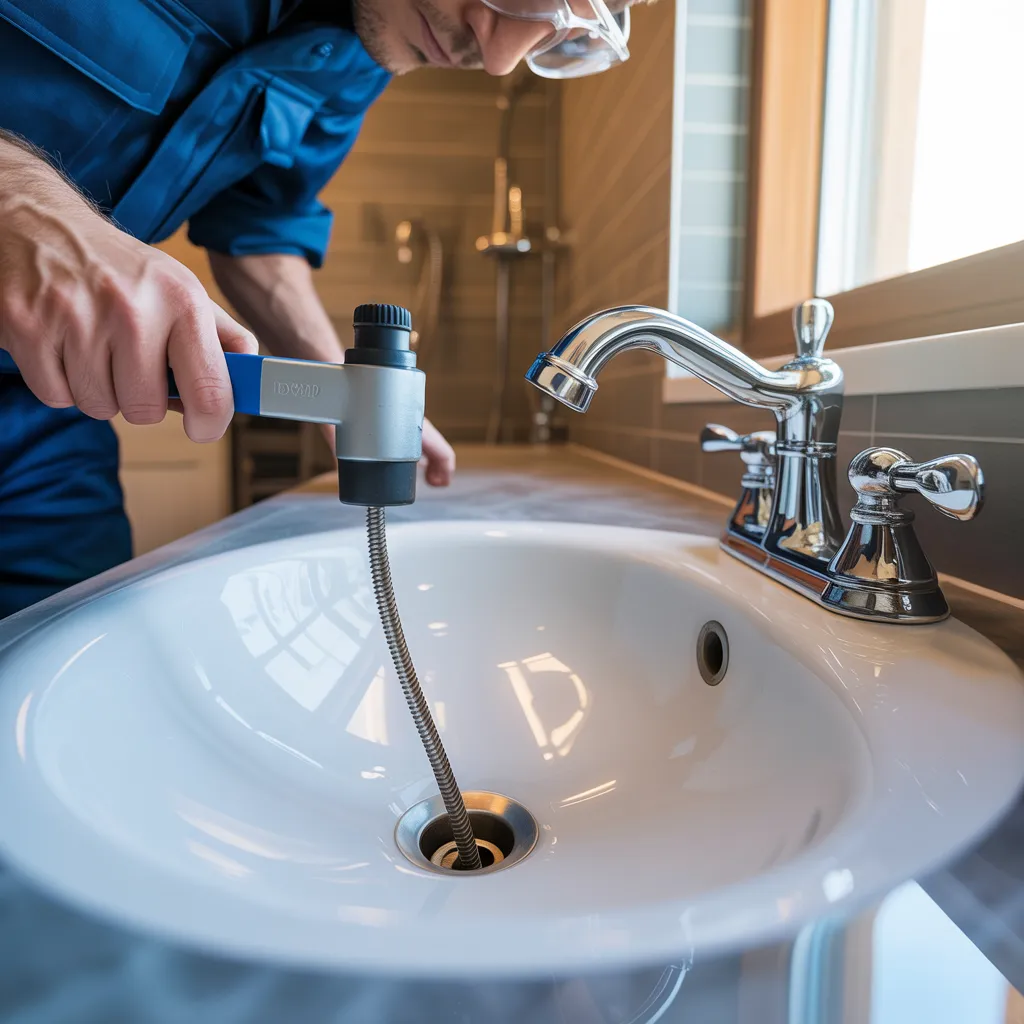
Snaking is a widely-used and efficient approach for removing drain obstructions. This technique offers several benefits, including the capability to access deep blockages and restore normal flow. To successfully employ this method, specialized instruments and a structured process are vital.
Advantages Of Drain Snaking for Drains
Snaking drains effectively removes stubborn blockages, offering a reliable solution for homeowners and businesses alike. This technique proves especially beneficial because it accesses clogs far inside piping systems, guaranteeing complete removal without requiring aggressive chemical treatments. By using a flexible auger, snaking can navigate bends and curves in the plumbing system, minimizing the risk of damage to pipes. Furthermore, it represents an economical choice, typically demanding reduced time and effort relative to alternative approaches. This snaking method further encourages lasting plumbing system wellness, lowering the chances of repeated obstructions. In summary, this approach offers an effective, secure, and eco-conscious way to preserve unobstructed drain systems across diverse environments.
Tools Necessary For Snaking
Successful drain snaking depends on specific tools that assist with the removal of blockages. The primary tool utilized is a drain snake or auger, which comprises a long, flexible metal cable with a coiled end created to navigate through pipes. Handheld snakes are appropriate for small clogs, while motorized alternatives are available for more stubborn obstructions. Moreover, a pair of gloves protects the user from debris and potential contaminants. A bucket is beneficial for catching any water or waste that may escape during the process. Finally, a flashlight can help with illuminating dark areas, ensuring a clear view of the clog. These tools collectively enhance the efficiency and effectiveness of the snaking method for unclogging drains.
Step-By-Step Procedure Outlined
An organized technique is necessary when using the snaking method to clear drain blockages. To begin, the user should check that the work area is clear and gather all necessary tools. Following this, they need to insert the snake into the drain opening, rotating the handle to move it forward into the pipe. As resistance is experienced, it signals a blockage. The user should spin the snake to break up or latch onto the clog. Once the obstruction is dislodged, the snake is gradually pulled back, removing debris along the way. Lastly, running hot water down the drain aids in clearing any remaining particles. This method reliably restores drain function while limiting potential damage to the plumbing system.
Benefits of Hydro Jetting
Hydro jetting delivers a robust solution for clearing stubborn clogs and restoring peak flow in pipes. This method employs high-pressure water streams to remove debris, grease, and mineral buildup, ensuring comprehensive cleaning that traditional methods often miss. One of the primary benefits of hydro jetting is its effectiveness in stopping future clogs; by clearing away all accumulated materials, it helps maintain optimal pipe function. Additionally, hydro jetting is environmentally safe, as it relies exclusively on water without the need for harsh chemicals.
Another advantage is the versatility of hydro jetting, which makes it suitable for different pipe sizes and types, from residential to commercial systems. Furthermore, this technique can extend the lifespan of plumbing infrastructure by reducing the risk of damage caused by persistent blockages. Overall, hydro jetting serves as a complete and efficient approach to drain cleaning, providing durable results and boosting plumbing health.
The Benefits and Risks of Using Chemical Drain Cleaners
Chemical drain cleaners deliver a rapid remedy for clogged drains but create considerable environmental challenges. Although they can efficiently eliminate particular obstructions, their strong chemical components may present dangers to plumbing infrastructure and ecosystems. A careful evaluation of their benefits and drawbacks is essential for informed decision-making.
Ecological Impact Issues
Although chemical drain cleaners provide rapid solutions for stubborn clogs, their effect on the environment raises substantial concerns. Numerous of these products contain harsh chemicals, such as sodium hydroxide and sulfuric acid, which can harm aquatic ecosystems when they reach waterways. These substances can disrupt local flora and fauna, leading to long-term ecological damage. Moreover, improper disposal or overuse can contribute to soil contamination. On the other hand, some environmentally friendly alternatives exist that use biodegradable ingredients, creating less risk to the environment. Nevertheless, these alternatives may not be as efficient for severe blockages. Managing the trade-off between effectiveness and environmental safety remains a crucial challenge for homeowners and experts when choosing drain cleaning methods.
Effectiveness on Clogs
Numerous property owners rely on chemical drain cleaners for their ability to quickly dissolve stubborn clogs. These products commonly have powerful ingredients that can decompose grease, hair, and other debris, providing fast relief. However, their effectiveness fluctuates with the type and severity of the clog. While they can clear minor blockages, they may be ineffective against more severe issues.
In addition, the use of chemical drain cleaners poses potential risks. They can cause damage presentation to pipes, specifically older systems, and may result in chemical burns if mishandled. Moreover, their environmental impact raises concerns. Weighing quick results with potential damage and safety issues makes chemical drain cleaners a controversial choice for homeowners seeking effective clog removal.
Comparing Drain Cleaning Approaches: Which Is Suitable for You?
How do homeowners choose the most appropriate drain cleaning technique for their specific requirements? Picking the best solution depends on several key aspects, encompassing the severity of the clog, the plumbing configuration, and financial considerations. Popular approaches feature snaking, which is works well on minor clogs and provides a budget-friendly option. Hydro-jetting, though pricier, provides a deep clean for stubborn blockages and is ideal for supporting extended drain performance.
Property owners ought to think about the environmental impact; some chemical solutions can be damaging. For those with older plumbing, less aggressive solutions like enzymatic cleaners may be recommended to avoid damage. Ultimately, examining the specific situation, including the frequency of clogs and potential underlying issues, will guide homeowners toward the most effective drain cleaning method. Working with a professional can further assist in making an informed decision tailored to individual needs.
Preventing Clogs: Upkeep Advice for Your Drains
To maintain clear drains and prevent clogging issues, homeowners should adopt consistent maintenance practices. Regularly cleaning drain covers and traps can greatly reduce debris buildup. It is beneficial to flush drains with hot water on a weekly basis to help dissolve grease and soap residues. Homeowners should also prevent pouring oils, fats, or non-biodegradable items down the drain, as these can result in blockages. Using a mesh strainer in kitchen sinks can capture food particles, while bathroom drains can be improved by regular hair removal. In addition, periodic inspections of plumbing systems can identify potential issues before they escalate. Homeowners may also consider employing natural cleaning solutions, such as baking soda and vinegar, to break down minor clogs without harsh chemicals. By incorporating these easy practices, homeowners can improve the longevity and efficiency of their drain systems, ultimately minimizing the risk of severe clogs and costly repairs.
When to Contact a Professional for Drain Troubles?
Determining when to call a professional for drain troubles can be vital for averting further damage. Homeowners should consider pursuing expert assistance when they face persistent clogs that withstand conventional methods such as plunging or snaking. If multiple drains are clogging simultaneously, it may point to a deeper concern within the plumbing system, necessitating professional intervention.
Moreover, offensive smells coming from drains or noticeable leaks can signal critical problems that necessitate urgent care. Residents should also be cautious about unusual sounds, such as bubbling or gurgling, which may indicate confined air in the pipes or blockages. Ultimately, if drain cleaning tries are encountering repeated failure, it is prudent to consult a professional. Quick intervention can not only resolve the problem but also prevent costly repairs in the future, guaranteeing the plumbing system works properly and remains in optimal state.
Questions & Answers
How Often Do I Need to Clean My Drains?
Drain cleaning should generally occur at least once annually to stop buildup and clogs. Nevertheless, households with heavy usage may need bi-yearly cleanings to preserve peak flow and decrease potential plumbing concerns.
Is It Possible to Use Baking Soda for Cleaning Drains?
Yes, baking soda can be used for drain cleaning. The combination with vinegar generates a bubbling effect that works to dissolve clogs. That said, significant obstructions may need expert techniques to be more successful.
What Tools Are Needed for Snaking?
When snaking a drain effectively, necessary equipment consists of a drain auger or snake, hygienic gloves, a pail to capture debris, and occasionally a light source for illumination. These tools facilitate effective clog elimination in plumbing networks.
Is Hydro Jetting Safe for All Pipe Types?
Hydro jetting is generally safe for many pipe types, like PVC and cast iron. That said, it may not work well with old or weakened pipes, which could be damaged by the high-pressure water.
How Much Does Professional Drain Cleaning Cost?
Skilled drain cleaning costs generally range from $100 to $500, determined by factors such as the method used, the severity of the blockage, and local market rates. Supplementary services may incur additional charges.